














View iXBRL reports in your browser for free.

Start now

Business class

Not every figure becomes public. Micro and small entities publish no profit and loss account.

Enter three figures and see which parts of your annual accounts KvK makes public, and which stay private.

The check is indicative and not legal advice, and it follows the current thresholds for financial years from 2024. The demo is a 20-minute screen share on an example report, with no account or card needed.

Business class check

What becomes public at KVK?

Enter assets, net turnover and average employees. The result is the first business class for which two of the three limits are met.

Enter amounts in euros for one financial year.

Your result will appear here, with public and private documents side by side.

Trusted by firms and finance teams

Grant Thornton
Koeleman Accountants
CreAim
Novafox
Yara
Liberty Global
LEGO
Multi Tank Card
Orange
Bison
Oxylabs
Dana Petroleum
Royal Pride

What stays private

Publishing is not all or nothing. Your business class decides what KvK shows.

Privacy is most pronounced for micro and small entities: no profit and loss account becomes public. Medium-sized entities publish more; large entities publish everything without a size-class abbreviation.

A set of accounts open on a desk with a plain blue card laid across part of the page, covering some of it.

How the business class is decided

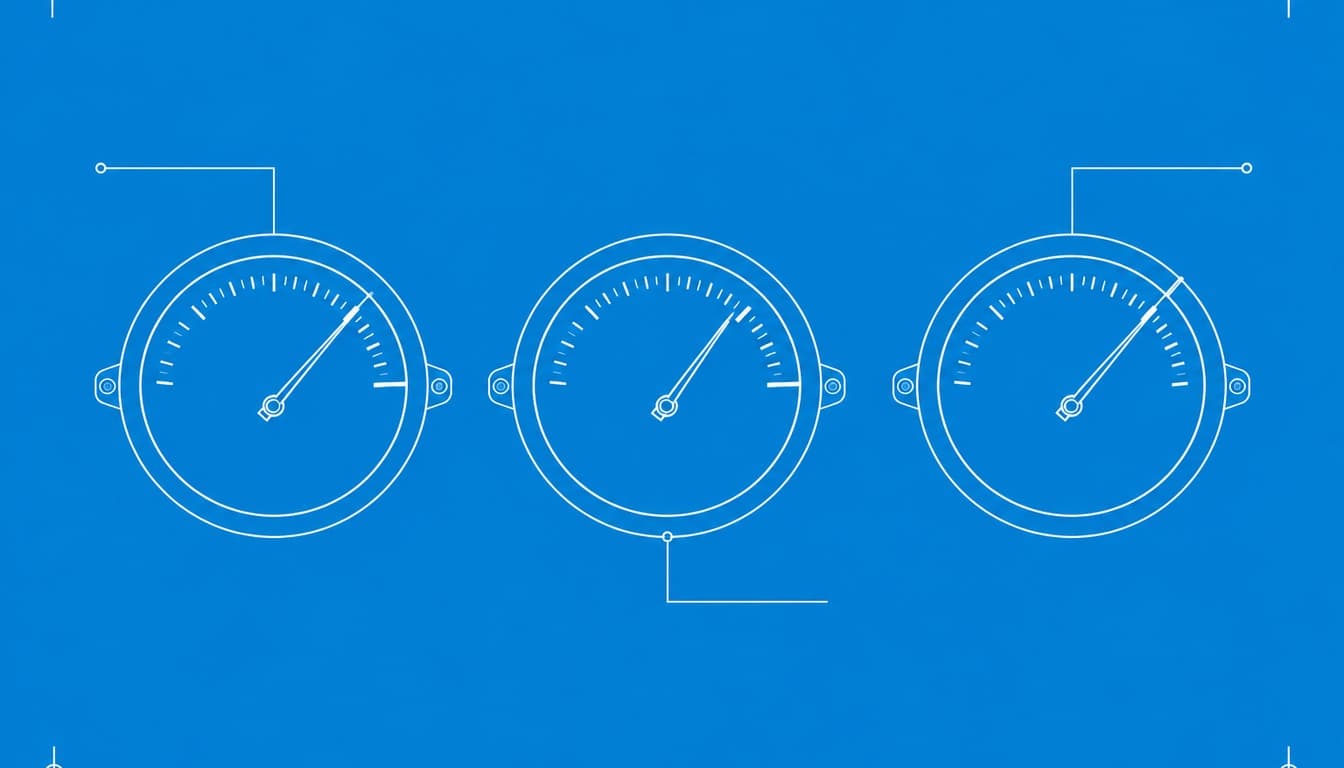
Blueprint of three dial gauges with two needles past a marked line, white line on cyan.

Three limits, two must be met

Assets, net turnover and average employees. The class is the first one where two of the three are met.
Colour macro of a printed page edge where three rules of different weight stack, the heaviest picked out in blue.

Current amounts

Current, raised amounts for financial years from 2024, Stb. 2024, 52.
Blue halftone of two annual reports standing on a shelf with one band crossing both spines, a digital annual report pair.

Two consecutive years

The formal class also depends on two consecutive balance-sheet dates, with a separate rule for a first financial year.

Public filing documents by business class.

Micro

Assets ≤ €450,000 · Net turnover ≤ €900,000 · Average employees < 10

BW 2:395a lid 8

Becomes public

  • Condensed balance sheet

Stays private

  • Profit and loss account
  • Notes, apart from mandatory disclosures below the balance sheet
  • Management report and other information
  • Auditor’s report

Small

Assets ≤ €7,500,000 · Net turnover ≤ €15,000,000 · Average employees < 50

BW 2:396 lid 8

Becomes public

  • Abbreviated balance sheet
  • Limited notes

Stays private

  • Profit and loss account
  • Management report and other information
  • Auditor’s report

Medium-sized

Assets ≤ €25,000,000 · Net turnover ≤ €50,000,000 · Average employees < 250

BW 2:397 leden 3–8

Becomes public

  • Simplified balance sheet
  • Condensed profit and loss account
  • Limited notes
  • Management report and required other information
  • Auditor’s report

Stays private

  • Balance-sheet, profit-and-loss and notes detail that does not have to be public

Large

Residual category

BW 2:394

Becomes public

  • Full annual accounts
  • Management report and other information
  • Auditor’s report

Stays private

  • Nothing under the size-class regime: large entities have no abbreviation relief
A filing tray on a counter with one reviewed set of accounts in it and a blue slip on top, an iXBRL filing handed on.
A printed set of accounts on a stone counter with a round blue sticker at its top corner and a fountain pen beside it.
A closed blue document wallet on a reception counter with printed pages showing at its edge, a brass bell behind it.

Doc2iXBRL can produce a separate deposit copy (publicatiestukken) from a reviewed conversion for micro, small and medium-sized entities. You first confirm the legal conditions are met. For a medium-sized entity the profit and loss account is condensed into the gross operating result; everything else keeps its reviewed detail.

The deposit copy comes from a conversion your reviewer has already approved.

Doc2iXBRL prepares and validates the package. Submission to KvK remains with you or your existing filing agent.

Filing deadlines for Dutch annual accounts

How soon after adoption must you file at KvK?
Within eight days of vaststelling (adoption) of the accounts (BW2 394 lid 1). This page is not legal advice; confirm the date with your accountant.
What if the accounts are not yet adopted?
If they are not adopted within two months after the preparation deadline, the prepared accounts must be deposited at once, marked as not adopted (BW2 394 lid 2). That filing can later be replaced by the adopted accounts.
Is there an absolute filing deadline?
Yes. The outer limit is twelve months after the financial-year end (BW2 394 lid 3), even when adoption is late.

Talk it through in a demo

Preparing a KvK filing?

See how to review and validate annual accounts before exporting a traceable KvK report package.

This overview covers the public financial content by business class. Consolidated accounts can still be required; the conditions differ by business class.